Small Business, Big Impact: Smart Interior Design for Small Commercial Spaces
Designing a small commercial space requires a unique approach, balancing functionality with aesthetics to make every square foot count. For small businesses, a well-designed interior can significantly impact customer experience, brand perception, and employee productivity. Here are some smart interior design strategies to create a big impact in a small space:
1. Maximize Vertical Space
- In compact spaces, vertical space is valuable. Utilize walls for storage, shelving, and displays to keep the floor area open. Wall-mounted shelves, pegboards, or display racks can help showcase products or organize tools without crowding the room.
2. Choose Multi-Functional Furniture
- Multi-functional furniture is a game-changer for small businesses. Opt for pieces that can serve multiple purposes—like storage benches, folding tables, or adjustable-height desks. Furniture that’s mobile or can be easily rearranged also allows for flexible layouts.
3. Strategic Lighting
- Proper lighting can make a small space feel larger and more welcoming. Use layered lighting—ambient, task, and accent lighting—to create depth and highlight key areas. Mirrors strategically placed near light sources can also help open up the space.
4. Keep it Clutter-Free with Smart Storage Solutions
- Clutter can make a small space feel chaotic. Incorporate hidden storage options such as built-in cabinets, under-counter drawers, or storage behind display units. Open shelving can also be used strategically to display items without overwhelming the space.
5. Use a Cohesive Color Palette
- A unified color scheme helps make a small space feel larger and more organized. Lighter colors tend to open up a space, while pops of brand colors add personality without overwhelming the senses. Neutral or lighter tones with selective accent colors can create a polished and welcoming environment.
6. Define Zones for Functionality
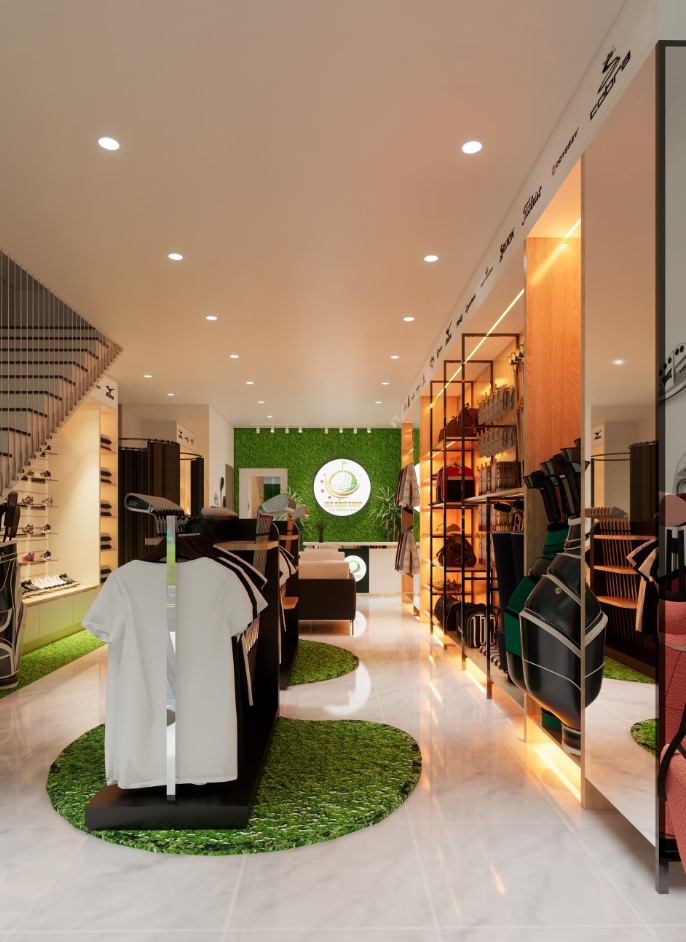
- In a small business space, it’s essential to define zones for different functions, such as a customer area, product display, or employee workspace. Use rugs, lighting changes, or subtle color variations to delineate these areas without needing physical barriers.
7. Use Mirrors to Create Illusion of Space
- Mirrors can work wonders in small spaces by reflecting light and making the room appear larger. Position mirrors across from windows to amplify natural light or in strategic locations to open up narrow corridors or cramped rooms.
8. Integrate Brand Identity into Design
- A small space is an excellent opportunity to showcase your brand’s identity. Use colors, materials, and decor that reflect your brand values and personality, from custom signage to wall graphics. This reinforces your brand and creates a memorable experience for visitors.
9. Minimalist Decor with Purposeful Accents
- Keep decor minimal to avoid overwhelming the space. Use selective, purposeful decor items that align with the brand aesthetic—like statement art pieces, a few plants, or branded signage. Each item should serve a purpose, whether it’s adding color, texture, or a personal touch.
10. Think About Flow and Accessibility
- Consider how customers and employees will move within the space. Avoid cluttered walkways and ensure key areas are easily accessible. An intuitive flow can make the space feel more spacious and comfortable, encouraging visitors to spend more time there.
11. Incorporate Nature
- Adding plants or natural elements, even in a small area, can create a welcoming atmosphere. Plants enhance air quality, add a pop of color, and bring a sense of calm, helping a small space feel fresh and inviting.
Final Thoughts
With careful planning and a few smart design choices, even the smallest commercial spaces can leave a lasting impact. By focusing on functionality, brand alignment, and an open, organized layout, small businesses can maximize their space and create an environment that attracts customers, enhances employee morale, and promotes the brand’s unique identity. In Art Studio specializes in transforming small spaces into efficient, stylish, and impactful areas that make a big impression.
4o



Related Posts
Designing for Well-being: How Office Interiors Influence Mental Health